


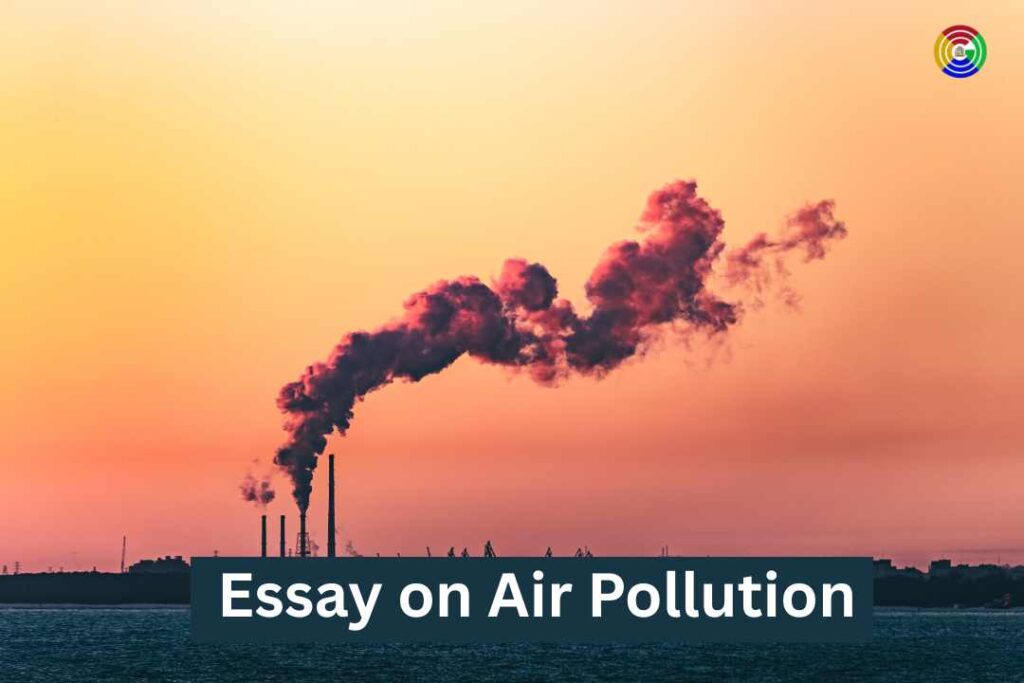
Air pollution is one of the most pressing environmental issues facing the world today. It affects not only human health but also the entire ecosystem. With rapid industrialization, urbanization, and deforestation, the air quality has significantly deteriorated, posing severe threats to life on Earth. Air pollution is responsible for various respiratory diseases, climate change, and environmental degradation. In this blog post, we will explore the causes, effects, and possible solutions to air pollution.
What is Air Pollution?
Air pollution occurs when harmful substances, including gases, dust, smoke, or chemicals, enter the atmosphere and make the air toxic. These pollutants can be natural or man-made and have severe consequences on human health and the environment. The Air Quality Index (AQI) is used to measure air pollution levels and determine how clean or polluted the air is in a particular area.
Causes of Air Pollution
Air pollution has multiple causes, both natural and human-made. The major sources include:
1. Industrial Emissions
Factories and industries release a large amount of toxic gases, including carbon monoxide (CO), sulfur dioxide (SO₂), nitrogen oxides (NOₓ), and particulate matter. These pollutants contaminate the air and contribute to smog formation and acid rain.
2. Vehicle Emissions
Automobiles are one of the primary sources of air pollution. The combustion of petrol and diesel produces harmful gases like carbon monoxide, hydrocarbons, and nitrogen oxides, which significantly deteriorate air quality.
3. Deforestation
Trees absorb carbon dioxide and release oxygen, helping to maintain a balance in the atmosphere. However, large-scale deforestation has led to an increase in carbon dioxide levels, contributing to global warming and poor air quality.
4. Agricultural Activities
The use of chemical fertilizers and pesticides releases ammonia, a harmful pollutant. Additionally, the burning of crop residues (such as stubble burning) produces smoke, adding to air pollution.
5. Household Activities
Burning fuels like wood, coal, and biomass for cooking and heating produces harmful pollutants such as carbon monoxide and particulate matter, which severely impact indoor and outdoor air quality.
6. Construction and Mining Activities
Construction sites and mining activities release dust and particulate matter into the air, which contributes to pollution and causes respiratory diseases.
7. Waste Burning
Burning plastic, garbage, and other waste materials releases toxic gases and pollutants into the air, further degrading air quality.
Effects of Air Pollution
The impact of air pollution is widespread and affects human health, the environment, and even the economy. Some of the major effects include:
1. Health Problems
- Respiratory Issues: Air pollution causes diseases such as asthma, bronchitis, and lung cancer.
- Cardiovascular Diseases: Prolonged exposure to polluted air increases the risk of heart attacks and strokes.
- Weakened Immune System: Pollutants reduce the body’s ability to fight infections, leading to more illnesses.
2. Environmental Degradation
- Climate Change: Greenhouse gases like carbon dioxide and methane trap heat in the atmosphere, leading to global warming.
- Ozone Layer Depletion: Harmful pollutants like chlorofluorocarbons (CFCs) contribute to the depletion of the ozone layer, allowing harmful UV rays to reach the Earth.
- Acid Rain: Sulfur dioxide and nitrogen oxides mix with water vapor to form acid rain, which damages crops, soil, and aquatic life.
3. Economic Losses
- Increased Healthcare Costs: Air pollution-related diseases put a financial burden on individuals and governments.
- Loss of Productivity: Poor air quality leads to reduced workforce efficiency and increased absenteeism due to health issues.
4. Impact on Wildlife
- Habitat Destruction: Polluted air affects forests, rivers, and oceans, leading to a decline in biodiversity.
- Health Issues in Animals: Airborne toxins can cause respiratory problems and other diseases in animals.
Solutions to Reduce Air Pollution
Air pollution is a serious issue, but it can be controlled through proper measures and collective efforts. Here are some effective solutions:
1. Promoting Clean and Renewable Energy
Switching to renewable energy sources such as solar, wind, and hydroelectric power can significantly reduce air pollution by minimizing the burning of fossil fuels.
2. Reducing Vehicle Emissions
- Promoting the use of electric vehicles and public transportation.
- Carpooling and cycling to reduce the number of vehicles on the road.
- Implementing stricter emission norms for automobiles.
3. Encouraging Afforestation
Planting more trees and protecting forests can help absorb pollutants and improve air quality. Governments should implement strict laws against deforestation.
4. Using Eco-Friendly Agricultural Practices
- Avoiding stubble burning and using sustainable farming methods.
- Reducing the use of chemical fertilizers and pesticides.
5. Implementing Industrial Pollution Control Measures
- Installing air filters and scrubbers in factories to reduce emissions.
- Enforcing strict regulations on industrial waste disposal.
6. Managing Waste Properly
- Recycling and reusing waste instead of burning it.
- Encouraging the use of biodegradable products to reduce plastic pollution.
7. Raising Public Awareness
- Conducting awareness campaigns on the harmful effects of air pollution.
- Encouraging individuals to adopt eco-friendly habits, such as reducing energy consumption and avoiding single-use plastics.
8. Government Policies and Regulations
- Strict implementation of environmental laws to reduce pollution levels.
- Monitoring and controlling industrial emissions through government agencies.
Conclusion
Air pollution is a major global issue that requires immediate attention. The increasing levels of pollutants in the air are affecting human health, the environment, and the economy. However, with the right policies, technological advancements, and individual efforts, we can control and reduce air pollution. It is the responsibility of governments, industries, and individuals to work together to ensure a cleaner and healthier future for all.
???? Let’s take a pledge to reduce air pollution and protect our planet for future generations! ????
Frequently Asked Questions (FAQs)
1. What is air pollution?
2. What are the major causes of air pollution?
Vehicle emissions
Industrial and factory pollution
Deforestation
Burning of fossil fuels and waste
Agricultural activities (use of pesticides and stubble burning)
3. How does air pollution affect human health?
4. What are the effects of air pollution on the environment?
5. How can we reduce air pollution?
Using public transport or electric vehicles
Planting more trees and preventing deforestation
Using renewable energy sources (solar, wind, hydro)
Recycling waste and reducing plastic use
Implementing strict industrial pollution control measures